
Uncategorized
Starting a software house in Pakistan is challenging due to logistical, ecosystem, and resource hurdles. With a staggering 137% growth over the last five years, software houses have significantly bolstered their contribution, currently standing at 33.1% in consultancy services alone.

In this comprehensive guide, we’re shining a light on the path ahead, demystifying the process, and setting you up for a successful venture in Pakistan’s dynamic tech industry.
We delve deep into an overview of the tech industry and the burgeoning startup culture that’s reshaping Pakistan.
We’ll explore the critical role of software houses in spearheading the country’s digital transformation, illustrating how they’re not just businesses but crucial cogs in the wheel of technological progress.
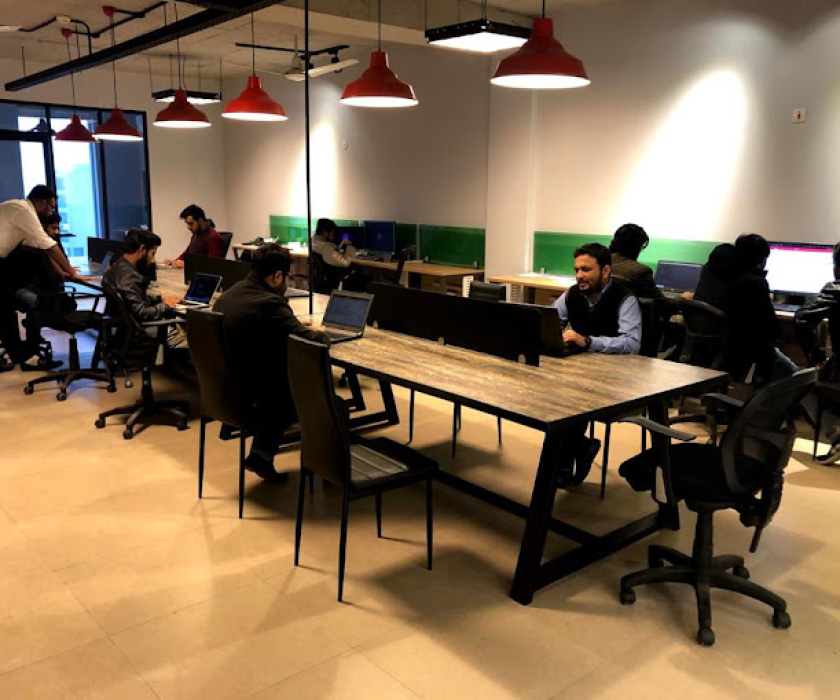
We’ll uncover the hidden promise within Pakistan’s co-working spaces, revealing how these innovative environments are much more than shared offices—they’re thriving communities that foster collaboration and innovation and provide a much-needed launchpad for your tech business.
By understanding these facets, you’ll be better equipped to turn the challenges of today into the breakthrough successes of tomorrow.
The Concept of a Software House: An Overview
A software house is a company that specializes in developing and distributing software products. They handle everything from creating software for different uses like managing data, running devices, entertaining, or solving business needs to provide services like updates and maintenance.
It is common for these companies to work closely with their clients in order to understand their needs in order to tailor their solutions, ensuring everything works smoothly. They might also offer additional support, training, and system integration.
Why Pakistan Is an Emerging Hub for Software Development
Engineers and developers with a large and growing pool of talent. Pakistan has over 100 universities offering engineering and computer science degrees, and the number of graduates in these fields is growing rapidly.
As a result, there is a large pool of talented engineers and developers available to work on software development projects.

A competitive cost structure. The cost of living and doing business in Pakistan is significantly lower than in many other developed countries. This makes Pakistan an attractive destination for companies looking to outsource their software development needs.
A supportive government. The Pakistani government is actively supporting the growth of the IT industry. It offers a number of incentives to IT companies, such as tax breaks and subsidies. The government has also established a number of IT parks and incubators to provide support to startups and small businesses.

A strong entrepreneurial culture. Pakistan has a strong entrepreneurial culture, and there is a growing number of startups and small businesses in the IT sector. These startups are developing innovative software solutions for a variety of industries, and they are playing a key role in the growth of the Pakistani software development industry.

Growing Tech Scene: There’s a significant uptick in local tech startups and a vibrant community around technology and entrepreneurship. Local success stories inspire further growth and attract foreign investors.
Time Zone Compatibility: Pakistan’s time zone is beneficial, especially for companies in Europe and the Middle East, ensuring better real-time communication and project management.
Success Stories of Notable Software Houses Rooted in Pakistan
Pakistan has a large and growing software industry, and there are a number of notable software houses rooted in the country. These companies have achieved success both domestically and internationally, and they are playing a key role in the growth of the Pakistani economy.
Here are a few success stories of notable software houses rooted in Pakistan:
1. Systems Limited

Systems Limited is a Pakistani software development company that provides IT services to clients in over 30 countries. The company has over 2,000 employees and has offices in Pakistan, the United States, the United Kingdom, and the Middle East.
Notable Success
One of Systems Limited’s most notable success stories is its work on the development of Pakistan’s National Database and Registration Authority. NADRA is the world’s largest biometric database, and it is used to issue national identity cards to all Pakistani citizens.
Systems Limited’s work on NADRA has been praised by the international community, and it has helped to make Pakistan a global leader in the use of biometric technology.
2. Arbisoft

Arbisoft is another Pakistani software development company that has made a global impact. The company has over 1,500 employees and has offices in Pakistan, the United States, the United Kingdom, and the Middle East.
Arbisoft has developed software solutions for a variety of industries, including banking, healthcare, and telecommunications.
Notable Success
One of Arbisoft’s most notable success stories is its work on the development of the electronic health record (EHR) system for the Ministry of Health in Saudi Arabia. Healthcare providers can manage patient records and provide better care with the help of an EHR system.
3. Techlogics

Techlogics is a Pakistani software development company that specializes in developing mobile apps. The company has developed over 1,000 mobile apps for clients in over 20 countries. Techlogics has won numerous awards for its work, including the “Best Mobile App Development Company” award from the Pakistan Software Export Board.
Notable Success
One of Techlogics’ most notable success stories is its development of the mobile app for the Bank of Punjab. Using the mobile app, customers can access their bank accounts and perform various transactions on their smartphones.
The app has been downloaded over 1 million times, and it has helped to make the Bank of Punjab one of the most mobile-friendly banks in Pakistan.
Steps for Launching Your Software House in Pakistan
Absolutely, launching a software house in Pakistan requires thorough planning and execution. Here’s a breakdown of the steps you’ve listed:
Step 1: Creating a Business Plan
- Define your niche: What specific software services will you offer? Who is your target market?
- Conduct market research: Understand demand, competition, and market trends.
- Outline business operations: How will you deliver your services? Consider project management methodologies, tools, and software.
- Financial planning: Forecast your revenues, set pricing strategies, and plan your budget, including initial setup costs and recurring expenses.
Step 2: Assembling Your Team
- Identify required skills: List the technical and soft skills your software house needs, considering the services you plan to offer.
- Search in co-working spaces: These environments are hubs for talented professionals and freelancers. Network and engage with potential candidates there.
- Conduct interviews and tests: Ensure that candidates meet the skill requirements and fit your company culture.
- Onboard efficiently: Once hired, provide clear guidelines, resources, and support to integrate team members smoothly.
Step 3: Legal Considerations
- Register your business: Depending on your setup (sole proprietorship, partnership, or company), complete the necessary legal formalities with the Securities and Exchange Commission of Pakistan (SECP).
- Copyrights and trademarks: Protect your intellectual property, including software products, logos, and business names.
- Compliance: Adhere to local laws and regulations concerning business operations, taxation, and software development standards in Pakistan.
Step 4: Funding Your Venture
- Bootstrapping: Consider starting with personal savings or contributions from business partners.
- Seeking investors: Prepare a solid pitch for angel investors or venture capitalists, emphasizing your business plan, prototype (if available), and market potential.
- Government grants and programs: Explore initiatives by the Pakistani government supporting tech startups.
- Crowdfunding: Present your idea on crowdfunding platforms to raise small amounts of money from a large number of people.
Why Co-Working Spaces are the Launchpads for Your Software House

Best Co-working spaces offer budding software houses immediate access to essential facilities and services without a hefty initial investment. They foster a community of innovation, providing networking opportunities with like-minded tech entrepreneurs.
These shared spaces also offer flexibility, vital for startups adapting to market needs, and often come with business mentoring resources crucial for navigating early-stage challenges.
The Rise of Co-Working Spaces in Pakistan’s Tech Scene
The rise of co-working spaces in Pakistan’s tech industry is a response to the booming startup culture and the growing freelance market. These communal areas provide affordable office solutions, essential for startups mindful of costs.
They’re not just about shared physical space but also about cultivating an environment of collaboration and innovation.
In Pakistan, where resource allocation for new ventures can be challenging, co-working spaces offer tech startups and independent professionals access to resources, professional networks, and facilities that might otherwise be out of reach.
They foster community among entrepreneurs, providing opportunities for collaboration, learning, and growth that are vital in the rapidly evolving tech industry.
Moreover, these spaces often host events, workshops, and talks, enhancing professional development and visibility within the industry.
They help bridge the gap between talent and opportunity, especially in a place where the tech scene is burgeoning but still solidifying its infrastructure and ecosystem.
How Co-Working Environments Foster Tech Startups and Software Houses
- Cost-Efficiency: For startups and small software houses, minimizing operational costs is crucial. Co-working spaces offer essential office amenities at a fraction of the cost of traditional office spaces. This affordability eases financial burdens, allowing focus on core business aspects like product development and market research.
- Networking Opportunities: These spaces house various professionals, entrepreneurs, and freelancers. Such a diverse work environment opens doors to networking, allowing tech startups to connect with potential clients, partners, and mentors. These interactions can lead to collaborative opportunities, business advice, or new business leads.
- Collaboration and Innovation: Being around other creative and entrepreneurial individuals can spur innovation. The open-space environment encourages discussions and the exchange of ideas, which can inspire new perspectives or innovative solutions. Software houses can benefit from these collaborations, potentially leading to joint ventures or new project ideas.
- Flexibility: Co-working spaces offer flexibility that suits the dynamic needs of tech startups. With options like hot desks, private offices, and meeting rooms, these spaces cater to various requirements and scales of business. This flexibility supports scalability, as companies can adjust their space based on team size and project needs without hefty investments.
- Access to Resources: These spaces often provide resources that go beyond just a desk and internet connection. Access to workshops, seminars, and pitch events contributes to the growth and education of startup teams. Moreover, amenities like printing, tech support, and conference facilities streamline daily operations.
- Community Support: Startups can sometimes face isolation, which is mitigated in a co-working environment. These spaces build communities where businesses support and uplift each other, contributing to a culture of collective growth. This emotional support during challenging times and celebrations during triumphs can be invaluable for morale.
- Attracting Talent: Top professionals, especially millennials, are increasingly looking for flexible, innovative, and community-driven work environments. Co-working spaces appeal to such individuals, helping startups attract and retain exceptional talent who want to work in a vibrant, collaborative atmosphere.
Value Coworking: Best Techpreneurs Coworking Space in Lahore (Recommended)

In the heart of Lahore, Value Coworking stands out as a beacon for technopreneurs, freelancers, and startups. Recognized for its commitment to fostering innovation, this space isn’t just about a high-end, modern place to work; it’s about building a community.

Techpreneurs find more than a desk at Value Coworking; they discover a network-rich environment where ideas cross-pollinate and real growth happens.
From round-the-clock access ensuring you meet your deadlines to a dedicated support system geared towards your needs, it’s a setup designed with tech professionals in mind.
The future-forward vision of Value Coworking positions it as the top recommendation for anyone in the tech field looking to plant their roots deep into the fertile ground of Lahore’s burgeoning tech community.
Amenities and Opportunities for Techpreneurs
- Round-the-Clock Innovation: The 24/7 access accommodates those bursts of midnight creativity and the early morning hustler in you, ensuring your journey to innovation never pauses.
- Uninterrupted Connectivity: The high-speed WiFi and power backup systems mean you’re always connected, keeping your workflow smooth and your communications uninterrupted.
- Resource Availability: The convenience of on-site printing, scanning, and personal lockers speaks of a workspace that understands your needs as a tech professional.
- Comfort and Professional Support: From unlimited refreshments to keep you going to a fully staffed reception ready to assist you in maintaining your professional image, every detail is designed to enhance your work experience.
- Collaborative Spaces: Choose between flexible or dedicated desks, offering the right balance of networking opportunities and personal space. Engage with peers, share insights, or dive deep into your work; the choice is yours.
- Accessibility and Security: The inclusive environment with wheelchair access, secure lockers, and valet parking reflects Value Coworking’s commitment to providing a hassle-free and secure working experience.
- Community and Growth: More than just amenities, it’s the intangible benefits that set Value Coworking apart. The environment buzzes with a collaborative spirit, offering techpreneurs a chance to network, learn, and grow together in a dynamic ecosystem.
Establishing Your Base in a Co-Working Space
Establishing your base in a co-working space can propel your business forward. It not only cuts down on hefty office expenses but also surrounds you with a community of professionals, fostering collaboration, innovation, and rapid growth. Plus, the flexibility it offers is ideal for startups and freelancers.
Cost-analysis: Comparing co-working spaces versus traditional office setups
| Service Type | Value Co-working | Kickstart | Colabs |
| Day Pass | PKR 2,000 | Not Specified | PKR 2,000 |
| Virtual Office | PKR 8,000/month | PKR 4,000/month (billed annually) | PKR 10,000/month |
| Dedicated Desk | PKR18000/month | Not Specified | PKR 30,000/month |
| Hot Desk | Not Specified | Not Specified | PKR 22,500/month |
| Small Office (per seat) | (3 members) PKR 48,000/month (4 members) PKR 64,000/month | Not Specified | Starts from PKR 28,000 |
Challenges and Solutions: Navigating Your Startup Journey
Navigating the startup journey is full of challenges. Addressing this head-on is crucial for growth and survival. Identifying hurdles, creating solutions, and adaptive planning can turn obstacles into stepping stones, fostering resilience, innovation, and long-term success.
Anticipating Potential Hurdles for Software Startups in Pakistan
- Investment Issues: New companies often struggle to find enough money. They need to look for investors who believe in their ideas or try crowdfunding, where lots of people give small amounts of money.
- Complex Regulations: Sometimes, the rules for businesses are hard to understand and follow. It’s important to get help from experts who know the legal stuff.
- Finding the Right People: It’s not always easy to find skilled workers who fit well with the team. Companies need to search in many places, including universities and job websites.
- Tough Competition: There are many companies trying to be the best, so new ones need a special product or service that everyone will want.
- Changing Technology: Technology changes fast. Companies have to keep learning and updating their tools and ideas to stay relevant.
- Political and Economic Changes: Sometimes, things happen in the country’s politics or economy that can affect business. Companies need to be ready to adapt.
Practical Solutions and Contingency Planning
- Funding Issues:
- Solution: Explore various funding sources such as angel investors, venture capitalists, or government grants and subsidies. Crowdfunding platforms can also be a creative solution.
- Contingency Plan: Keep operational costs low initially, and be ready to pitch your business plan to potential investors at networking events and startup competitions.
- Complex Regulations:
- Solution: Hire a legal advisor or consultant knowledgeable about the Pakistani business landscape to ensure compliance.
- Contingency Plan: Regularly review and adjust business practices to stay aligned with changing regulations. Attend workshops and seminars on business law.
- Finding the Right People:
- Solution: Build relationships with local universities, join tech community events, and use online job portals to attract talent. Offer competitive packages and a positive work culture.
- Contingency Plan: Have a structured onboarding and training program in place for new hires. Consider remote workers to fill skill gaps.
- Tough Competition:
- Solution: Focus on niche markets and develop unique value propositions. Observe market trends and competitors.
- Contingency Plan: Be flexible and ready to pivot your business model, adapting to new market demands and opportunities.
- Changing Technology:
- Solution: Invest in continuous learning and development for your team. Attend tech conferences, subscribe to industry journals, and engage in online tech communities.
- Contingency Plan: Allocate resources for research and development to explore emerging technologies and update current offerings.
- Political and Economic Changes:
- Solution: Stay informed about the political and economic climate. Diversify your client base to include international customers, reducing reliance on the local market.
- Contingency Plan: Create a financial reserve to cushion your business during economic downturns and have a crisis management plan in place.
Wrapping Up
Launching a software house in Pakistan is an exciting journey, rich with opportunities in a market brimming with potential.
By following this beginner’s guide, from drafting a robust business plan to legal registration, assembling a stellar team, and securing funding, you’ve taken the first steps towards contributing to Pakistan’s burgeoning tech industry.
As you set off on this journey, it’s crucial to stay resilient in the face of challenges, constantly acquire new knowledge, and remain adaptable to the ever-evolving technological trends.
Beyond just the technical aspects, fostering a culture of creativity and perseverance within your organization is paramount.
Remember, the key to success lies in persistent effort, continuous learning, and adapting to the dynamic tech landscape. Your dream of owning a thriving software house is now within reach.